
 Sundarbans Fish
 Tuna Fish
 Haor Fish
 Hilsa Fish
 Sea Fish
 Sea Fish RTF
 Sea Fish RTC
 Chingri
 Deshi Fish
 Friday Offer
 Pond Fish
 Ready to Cook
 Cut & Clean
 Bar-B-Q Fish
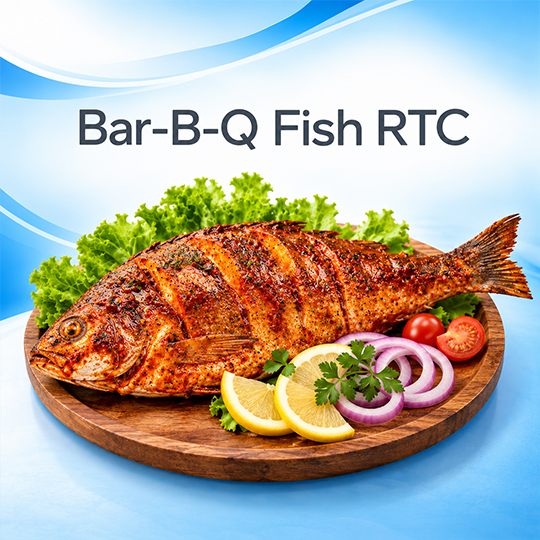 Bar-B-Q Fish RTC
 Ready to Fry
 Big Fish

Health Benefits of Fish & Seafood for Bangladeshi Families
Fish has always been an important part of Bangladeshi food culture. From ilish and rui to shrimp, tuna, pomfret, and other varieties of freshwater and marine fish, seafood is enjoyed by families across the country.
But fish is more than a delicious part of traditional meals. When included as part of a balanced diet, fish and seafood can provide several important nutrients, including high-quality protein, omega-3 fatty acids, vitamin B12, vitamin D, selenium, iodine, and other essential nutrients.
For Bangladeshi families looking for nutritious and versatile foods, seafood can be a valuable part of a healthy eating pattern.
In this guide, we will explore the health benefits of fish and seafood, the nutrients they provide, and some practical ways to make healthier seafood choices at home.
Why Is Fish Important in the Bangladeshi Diet?
Fish has a special place in Bangladesh's food culture and everyday meals.
According to Bangladesh's Department of Fisheries, annual per-capita fish consumption is approximately 24.74 kg, while fish contributes around 60% of the country's animal-protein supply.
Bangladesh also has a large and diverse fisheries sector, including inland capture fisheries, aquaculture, and marine fisheries.
For many Bangladeshi families, this makes fish more than an occasional food. It is an important source of protein and other nutrients that can contribute to the family's overall diet.
10 Health Benefits of Fish and Seafood
1. Fish Is an Excellent Source of High-Quality Protein
Protein is an essential nutrient that the body needs to build, maintain, and repair tissues.
Fish and seafood provide high-quality protein, including essential amino acids that the body needs.
Protein contributes to:
Muscle maintenance
Tissue repair
Normal growth and development
The production of enzymes and hormones
Normal body functions
Including fish in family meals can also add variety to the diet instead of relying on the same protein sources every day.
2. Fish Can Provide Omega-3 Fatty Acids
One of the nutritional features associated with many types of seafood is their omega-3 content.
Fatty fish such as sardines, salmon, mackerel, herring, and tuna can provide the long-chain omega-3 fatty acids EPA and DHA.
These fatty acids are important components of cell membranes and have important roles in normal cardiovascular and brain function.
The American Heart Association recommends eating fish, particularly fatty fish, at least twice a week as part of a heart-healthy dietary pattern.
The amount of omega-3 varies significantly between fish species, so eating a variety of seafood can be a useful approach.
3. Fish Can Be Part of a Heart-Healthy Diet
Fish can fit into a heart-healthy eating pattern, particularly when it replaces foods that are high in saturated fat.
Regular consumption of fish, especially fatty fish, has been associated with cardiovascular benefits.
Omega-3 fatty acids found in seafood can also contribute to maintaining healthy triglyceride levels.
However, fish should not be viewed as a standalone solution for heart health.
A heart-healthy lifestyle also includes vegetables, fruits, whole grains, appropriate physical activity, healthy fats, and other nutritious foods.
4. Fish Provides Important Vitamins and Minerals
Fish and seafood can provide a variety of vitamins and minerals, although the nutritional profile differs depending on the species.
Depending on the type of seafood, it may provide nutrients such as:
Vitamin B12
Vitamin D
Selenium
Iodine
Zinc
Iron
Magnesium
Seafood is particularly well known as a source of vitamin B12, which plays important roles in normal red blood cell formation and nervous-system function.
Some types of fish also provide vitamin D, although the amount can vary considerably between species.
5. Fish Provides Nutrients Important for Brain Health
Fish provides nutrients that contribute to normal brain function.
DHA, one of the long-chain omega-3 fatty acids found in many types of seafood, is an important structural component of the brain.
Including fish as part of a nutritious eating pattern can therefore provide nutrients associated with brain health.
However, eating fish should not be presented as a guarantee against neurological disease or as a treatment for a medical condition.
The bigger picture is a balanced diet that provides a wide range of nutrients.
6. Fish Can Support Normal Growth and Development
Fish contains several nutrients that are important during periods of growth and development.
Protein, omega-3 fatty acids, iodine, vitamin B12, and vitamin D all have important physiological roles.
This makes fish a useful food for family meals, including meals for children and teenagers.
However, seafood choices for children and pregnant people require additional attention because mercury levels can differ substantially between fish species.
Choosing appropriate lower-mercury fish and following relevant dietary guidance is important.
7. Seafood Can Be a Nutrient-Dense Food
Many varieties of fish and seafood can provide a substantial amount of nutrition without being extremely calorie-dense.
Depending on the species and preparation, a serving of fish can provide a combination of:
Protein + vitamins + minerals + healthy fats
This makes seafood a useful ingredient when building balanced meals.
However, the final nutritional value of a seafood meal also depends on how it is prepared.
For example, grilled fish and heavily battered, deep-fried fish may have very different calorie and fat profiles even though they start with the same basic ingredient.
8. Seafood Can Provide Selenium
Selenium is an essential mineral involved in several important processes in the body.
It contributes to normal thyroid function, antioxidant defense, and other physiological processes.
Fish and seafood can be useful dietary sources of selenium, although the amount varies according to the species and serving size.
Including different types of seafood can therefore contribute to overall micronutrient intake.
9. Seafood Can Provide Iodine
Iodine is required for the production of thyroid hormones.
Marine fish and shellfish can contribute iodine to the diet, although the amount varies between different seafood products.
Iodine is particularly important for normal growth and development.
As with other nutrients, seafood should be considered part of an overall diet rather than the only source of iodine.
10. Fish Is Versatile and Easy to Include in Family Meals
One of the biggest practical advantages of fish is its versatility.
Bangladeshi families can prepare seafood in many different ways, including:
Light fish curry
Grilled fish
Steamed fish
Fish with vegetables
Fish soup
Fish bhuna
Shrimp with vegetables
Baked or oven-cooked seafood
This variety makes it easier to include fish in regular family meals without preparing the same dish every time.
Which Fish Are Good Sources of Omega-3?
Not all fish contain the same amount of omega-3 fatty acids.
Fatty fish generally provide more EPA and DHA than lean fish.
Examples of fish that can be good sources of omega-3 include:
Salmon
Sardines
Mackerel
Herring
Tuna
The exact amount can vary depending on the species, size, preparation, and serving.
Some locally available fish can also contribute valuable nutrients, even if their nutritional profile differs from that of commonly cited fatty fish.
For families, one practical approach is to eat a variety of fish instead of relying on a single type.
Fish vs Fried Seafood: Does Cooking Matter?
Yes. The way seafood is prepared can significantly affect the nutritional profile of the final meal.
For everyday meals, cooking methods such as:
Grilling → Steaming → Baking → Light Curry
can provide ways to prepare fish without adding large amounts of extra fat.
Deep-frying, heavy batter, and excessive salt can increase the calorie, fat, or sodium content of a seafood meal.
This means that when choosing seafood for your family, consider two questions:
What seafood are we eating?
and
How are we preparing it?
The same fish can be part of very different meals depending on the cooking method and ingredients used.
How Often Should We Eat Fish?
For general healthy eating, the American Heart Association recommends eating fish at least twice a week, particularly fatty fish.
However, the appropriate amount can vary depending on factors such as age, overall diet, health needs, and the type of fish being consumed.
Children and pregnant people should pay particular attention to seafood recommendations because mercury exposure is an important consideration for these groups.
Rather than focusing only on quantity, it is useful to consider variety, fish type, portion size, and preparation method.
Is Seafood Safe for Children?
Fish can be a valuable source of protein and nutrients for children.
However, parents should choose seafood carefully because mercury levels vary between species.
The U.S. Food and Drug Administration and Environmental Protection Agency provide specific guidance on choosing lower-mercury fish, particularly for children and pregnant or breastfeeding people.
A practical approach is to choose a variety of fish from appropriate lower-mercury options instead of regularly eating large amounts of one species that may contain higher mercury levels.
Parents should also consider age-appropriate portions and safe preparation when serving fish to young children.
How Can Bangladeshi Families Make Healthier Seafood Choices?
Making healthier seafood choices does not have to be complicated.
A few simple habits can make a difference.
Choose Variety
Try not to eat the same species every time.
Rotating between different fish and seafood can provide nutritional variety and help reduce repeated exposure to contaminants associated with particular species.
Pay Attention to Handling
Buy seafood from sellers who follow appropriate practices for hygiene, temperature control, packaging, storage, and transportation.
Proper handling is particularly important because fish and seafood are perishable foods.
Choose Appropriate Cooking Methods
Grilling, steaming, baking, and lighter curries can be useful alternatives to frequent deep-frying.
You do not need to completely avoid fried fish, but varying your cooking methods can help create a more balanced eating pattern.
Add Vegetables to the Meal
Instead of making fish the only component of a meal, combine it with vegetables, leafy greens, lentils, rice, whole grains, or other nutritious foods.
A balanced plate can provide a broader range of nutrients than focusing on one food alone.
Be Mindful of Salt
Fish itself can be nutritious, but excessive salt, salty sauces, and heavily processed ingredients can increase the sodium content of the final meal.
Using herbs, spices, vegetables, lemon, and other flavorful ingredients can help create enjoyable seafood dishes without relying entirely on salt.
Is Frozen Fish Nutritious?
Frozen seafood can be a practical option for modern families.
Freezing fish does not automatically make it unhealthy.
What matters is the quality and handling of the product before and during freezing, as well as storage and preparation afterward.
Important factors include:
The quality of the fish before freezing
Proper freezing
Appropriate storage temperature
Suitable packaging
Maintaining the cold chain
Safe handling after purchase
For families who do not purchase fresh fish every day, properly handled frozen seafood can make it easier to keep fish available at home.
Always follow the storage and preparation instructions provided with the specific product.
How Food Network Agro Can Help
At Food Network Agro, we believe buying seafood should be convenient and straightforward for modern families.
From fish and shrimp to other seafood products, customers can choose products according to their family's preferences, cooking habits, and meal requirements.
When shopping for seafood online, it is useful to look beyond the product photograph.
Consider the complete journey:
Source → Quality → Processing → Packaging → Storage → Delivery
Each stage can contribute to the overall quality and safety of the seafood-buying experience.
Food Network Agro aims to make seafood shopping more convenient for families in Dhaka by providing a variety of fish and seafood options for home cooking.
How to Build a Balanced Seafood Meal
A nutritious seafood meal does not have to be complicated.
You can start with a suitable portion of fish or seafood and build the rest of the meal around it.
Protein
Choose a suitable portion of fish, shrimp, or other seafood.
Vegetables
Add seasonal vegetables, leafy greens, or a fresh salad.
Carbohydrates
Serve the seafood with rice, brown rice, potatoes, or another preferred staple.
Additional Foods
Lentils, beans, salad, or other nutritious side dishes can add variety to the meal.
Drink
Water or another low-sugar beverage can accompany the meal.
The goal is not to create a "perfect" plate every time.
The goal is to build a balanced eating pattern over time.
Frequently Asked Questions
Is Eating Fish Every Day Healthy?
Fish can be part of a healthy diet, but eating the same fish every day is not necessarily the best approach for everyone. Different species contain different nutrients and different levels of contaminants such as mercury.
Eating a variety of appropriate fish and following relevant seafood consumption guidance can be a sensible approach.
Which Fish Has the Most Omega-3?
Fatty fish such as salmon, sardines, mackerel, and herring are among the richer dietary sources of EPA and DHA.
Tuna can also provide omega-3 fatty acids, although the amount varies by species and product.
Is Seafood Good for Children?
Fish can provide children with protein and several important nutrients.
Parents should choose age-appropriate portions, prepare seafood safely, and select appropriate lower-mercury options according to current dietary guidance.
Is Frozen Fish Nutritious?
Yes. Properly handled frozen fish can still provide important nutrients.
Its overall quality depends on factors such as the original fish, freezing process, packaging, storage conditions, and preparation.
Is Fried Fish Healthy?
Fish itself can be nutritious, but frequent deep-frying can add significant amounts of calories and fat.
Grilling, steaming, baking, or preparing fish with a lighter cooking method can be useful options for regular meals.
What Nutrients Are Found in Fish?
Depending on the species, fish and seafood can provide protein, omega-3 fatty acids, vitamin B12, vitamin D, selenium, iodine, zinc, iron, and other nutrients.
The exact nutritional profile varies considerably between species.
Can Fish Help With a Healthy Diet?
Yes. Fish can contribute high-quality protein and several important nutrients as part of a balanced eating pattern.
However, no single food provides everything the body needs. Combining seafood with vegetables, fruits, grains, legumes, and other nutritious foods is a better overall approach.
Final Thoughts
For Bangladeshi families, fish and seafood offer much more than traditional flavour and culinary variety.
They can provide high-quality protein, omega-3 fatty acids, vitamin B12, vitamin D, selenium, iodine, and other important nutrients that contribute to a nutritious diet.
The key is not to focus on one particular "superfood." Instead, think about the overall eating pattern.
Choose quality seafood. Eat a variety of fish. Prepare it thoughtfully. Add vegetables and other nutritious foods to your meals. Pay attention to appropriate seafood choices for children and pregnant people.
Whether you prefer traditional fish curry, grilled fish, shrimp with vegetables, steamed seafood, or another preparation, fish can be a practical and delicious part of a balanced diet.
For families in Bangladesh, making seafood a regular part of a varied eating pattern can be an enjoyable way to add important nutrients to everyday meals.
Good food can be delicious, nutritious, and part of a balanced lifestyle.
Health information in this article is provided for general educational purposes and is not a substitute for personalized medical or dietary advice. People who are pregnant, breastfeeding, managing a medical condition, or making seafood choices for young children should follow guidance from a qualified healthcare professional and relevant food-safety authorities.

Opinions & Discussions (0)
The comments section is locked.
To reply to comments or questions, first log in to your account.
Login