
 Sundarbans Fish
 Haor Fish
 Hilsa Fish
 Sea Fish
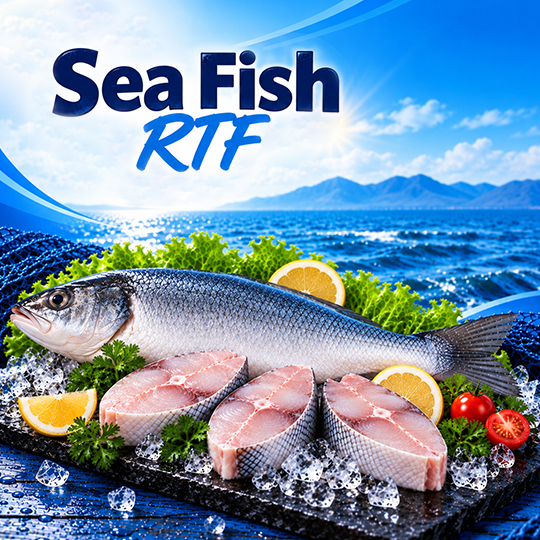 Sea Fish RTF
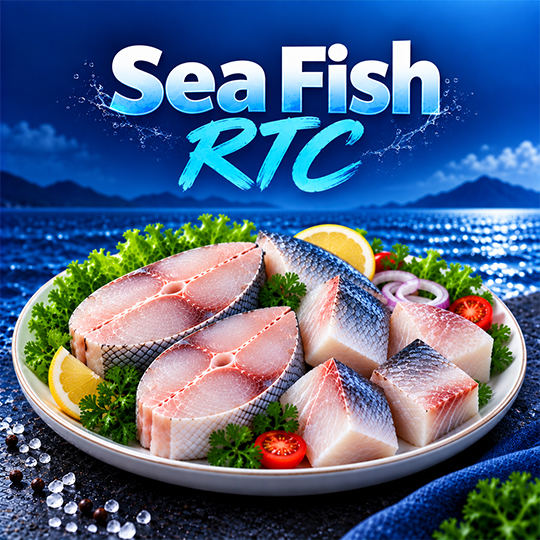 Sea Fish RTC
 Chingri
 Deshi Fish
 Friday Offer
 Pond Fish
 Ready to Cook
 River Cut & Clean
 Bar-B-Q Fish
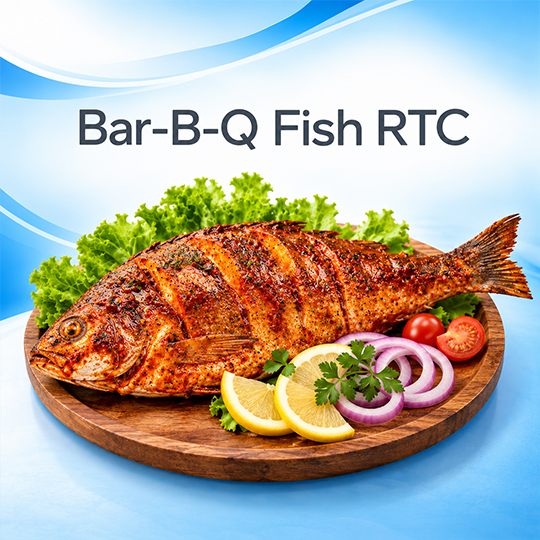 Bar-B-Q Fish RTC
 Ready to Fry
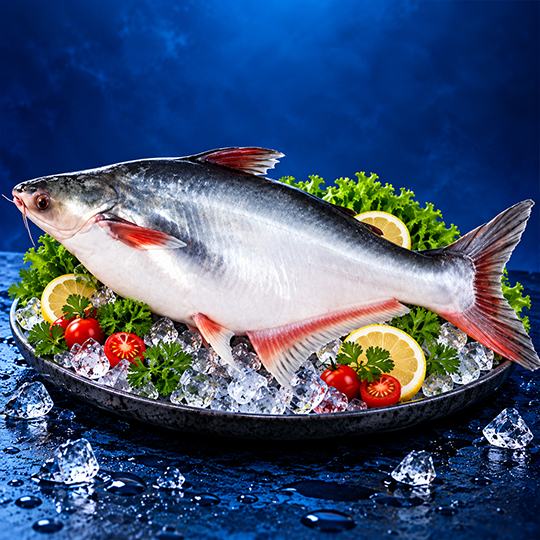 Big Fish

Tuna Fish for Children: Protein, Nutrients & Health Benefits
When parents plan meals for children, providing enough protein and a variety of essential nutrients is an important part of building a balanced diet. Fish can be a valuable addition because it provides high-quality protein along with vitamins, minerals, and fatty acids.
So, where does tuna fish for children fit into a healthy diet?
Tuna can provide protein and nutrients such as vitamin B12 and selenium. Depending on the species, it may also provide vitamin D and omega-3 fatty acids. However, tuna should not be treated as an everyday food without considering the child's age, portion size, tuna species, dietary variety, and potential mercury exposure.
The best way to look at tuna is simple: it can be one nutritious part of a varied and balanced diet, but it should not replace other important foods.
The U.S. Food and Drug Administration (FDA) and Environmental Protection Agency (EPA) recommend that children eat fish because of its nutritional value while choosing varieties that are lower in mercury. Their guidance also emphasizes eating different types of fish instead of repeatedly choosing the same species.
Is Tuna Fish Good for Children?
For many children, tuna can be a nutritious food when it is appropriately prepared and included as part of a balanced eating pattern.
Fish provides protein, healthy fatty acids, vitamins, and minerals. Protein is particularly important during childhood because it contributes to normal growth and tissue maintenance. Fish is also one of the animal-based foods that naturally provides vitamin B12.
Tuna can therefore be included in family meals alongside vegetables, fruits, whole grains, eggs, meat, poultry, beans, lentils, milk, yogurt, suitable alternatives, and other fish or seafood.
The most important consideration is variety. Children do not need tuna specifically to obtain protein or essential nutrients. Eggs, dairy products, legumes, poultry, meat, other fish, and many other foods can contribute to a child's overall nutritional needs.
The FDA and EPA recommend that children eat a variety of fish that are lower in mercury rather than relying repeatedly on one type.
Why Is Protein Important for Growing Children?
Protein is one of the major nutrients children need throughout childhood.
The body uses protein to build and maintain tissues. It contributes to muscles, skin, organs, enzymes, hormones, and many other biological processes.
Because children are continuously growing and developing, including a variety of protein-rich foods in their diet can help support their overall nutritional needs.
Tuna Fish Protein
Tuna is naturally rich in protein, although the exact amount can vary depending on the tuna species, cut, preparation method, and whether the product is fresh, frozen, or canned.
Because specific laboratory nutrition data for an individual Food Network Agro tuna product has not been provided here, the information in this article describes the general nutritional characteristics of tuna rather than guaranteeing the exact nutrition profile of a particular product.
Tuna can be a convenient source of protein, but it should not be considered a child's only source of protein.
Rotating tuna with other protein-rich foods can provide greater dietary variety and help create more balanced meals.
Important Nutrients Found in Tuna Fish
Tuna fish nutrition involves more than protein. Depending on the species and preparation method, tuna can provide several vitamins and minerals that contribute to normal body functions.
Protein
Protein is one of the most notable nutritional characteristics of tuna.
Children need protein as part of normal growth, tissue maintenance, and development. A meal containing tuna can therefore contribute useful protein to a child's diet.
For example, combining tuna with rice and vegetables creates a more complete meal than focusing on tuna alone.
Omega-3 Fatty Acids
Omega-3 fatty acids are a group of polyunsaturated fats that naturally occur in seafood.
Fish and seafood are important dietary sources of omega-3 fatty acids, although the amount and specific types can differ considerably between species.
Including different types of fish in a child's diet can therefore contribute to overall omega-3 intake. However, parents should not assume that every tuna product contains the same amount of omega-3.
Other foods can also contribute healthy unsaturated fats, so a child's overall eating pattern is more important than relying on one food.
Vitamin B12
Vitamin B12 is another important nutrient naturally found in fish.
The body needs vitamin B12 for normal red blood cell formation, DNA production, and normal nervous-system function.
Fish, meat, poultry, eggs, and dairy products are among the foods that can provide vitamin B12.
For children who eat animal foods, tuna can therefore contribute to their vitamin B12 intake. However, whether a child receives enough nutrients depends on the overall diet rather than one individual food.
Vitamin D
Vitamin D plays an important role in calcium absorption and normal bone health.
The body can obtain vitamin D through sunlight exposure, food, and supplements when appropriate. Some types of fish also provide dietary vitamin D, although the amount varies between species and products.
Tuna may therefore contribute to vitamin D intake, but it should not be considered a child's only source.
Children have age-specific vitamin D requirements, and individual needs can differ. Vitamin D is particularly important for normal bone development and mineralization.
Selenium
Selenium is an essential mineral found in seafood and several other foods.
It contributes to normal thyroid function, DNA production, and the protection of cells from oxidative damage.
Seafood can be an important dietary source of selenium, which means tuna may contribute to a child's overall selenium intake.
However, children have different nutritional requirements from adults, and consuming more of a particular food is not necessarily better. A varied diet remains the preferred approach.
Other Nutrients in Tuna
Depending on the species and preparation, tuna may also provide nutrients such as niacin, vitamin B6, phosphorus, and potassium.
Niacin contributes to normal energy metabolism and other cellular processes. Vitamin B6 is involved in protein metabolism and normal nervous-system and immune function. Phosphorus contributes to bones, teeth, energy metabolism, and normal cell function, while potassium is involved in normal muscle and nerve function and fluid balance.
The actual amount of these nutrients can vary considerably between tuna species and products.
For this reason, parents should use product-specific nutrition information when it is available rather than assuming that every tuna product has identical tuna fish nutrition facts.
Potential Benefits of Tuna in a Child's Diet
When appropriately selected and prepared, tuna can contribute to several aspects of a nutritious eating pattern.
Provides High-Quality Protein
Tuna can add protein to a child's meals, which is useful because protein contributes to normal growth, tissue maintenance, and development.
Adds Dietary Variety
Including fish in a child's diet can increase food variety. Tuna provides a different nutritional profile from foods such as beans, eggs, dairy products, and poultry.
Contributes Important Micronutrients
Depending on the product, tuna can contribute vitamin B12, selenium, niacin, vitamin B6, phosphorus, potassium, and other nutrients.
Provides Healthy Fatty Acids
Fish provides fatty acids, including omega-3 fatty acids. Since the amount varies between fish species, eating a variety of seafood can be more useful than relying on tuna alone.
Can Make Family Meals Convenient
Tuna can be incorporated into simple meals with vegetables, grains, and other nutritious foods. This can make it a convenient ingredient for busy families.
Tuna Fish and Child Growth and Development
Parents often look for individual foods that can support their child's growth, but no single food determines how a child grows or develops.
Growth and development are influenced by many factors, including overall nutrition, genetics, physical activity, sleep, health status, and other aspects of a child's lifestyle.
Tuna can contribute protein and several micronutrients to a child's diet. Protein is needed for normal tissue maintenance and development, while nutrients such as vitamin B12 and vitamin D have important physiological roles.
Fish also provides nutrients associated with normal body function, but eating tuna does not guarantee a particular height, muscle development, academic performance, or health outcome.
A better approach is to build meals around variety.
For example, a meal containing tuna, brown rice, vegetables, and fruit provides a broader nutritional combination than focusing on tuna as the main source of nutrition.
How Much Tuna Can Children Eat?
There is no single tuna serving recommendation that applies to every child in every country.
The appropriate amount can depend on the child's age, the type of tuna, mercury levels, portion size, the other fish the child eats, and the seafood guidance issued by the relevant public-health authority.
Under FDA and EPA guidance, children ages 1–11 are encouraged to eat fish from the lower-mercury "Best Choices" category, with serving sizes appropriate for their age.
As a general guide, the FDA gives approximately 1 ounce for children ages 1–3, 2 ounces for ages 4–7, 3 ounces for ages 8–10, and 4 ounces for children aged 11 and older.
These figures are U.S. guidance and should not be treated as a universal serving rule for every child or country.
The type of tuna also matters. Under current FDA guidance, canned light tuna, including skipjack, is categorized as a "Best Choice." Albacore or white tuna and yellowfin tuna are categorized as "Good Choices," while bigeye tuna is categorized as a fish to avoid because of its higher mercury level.
The FDA also notes that albacore tuna typically contains approximately three times more mercury than canned light tuna.
Families outside the United States should also consult guidance from their own national food-safety or public-health authority.
Mercury in Tuna: What Parents Should Know
Mercury is one of the most important considerations when discussing tuna fish for children.
Mercury occurs naturally in the environment and can enter aquatic ecosystems. Fish can absorb methylmercury through the food chain, and larger, longer-lived predatory fish can accumulate higher amounts.
Children may be more vulnerable to the potential effects of excessive mercury exposure because their nervous systems are still developing.
The World Health Organization identifies exposure to methylmercury through contaminated fish and seafood as an important source of human mercury exposure and recognizes children during early life as a particularly vulnerable group.
Why Does Tuna Have Different Mercury Levels?
"Tuna" does not refer to just one species.
Different tuna species can vary in size, lifespan, diet, and mercury accumulation. This is why food-safety authorities classify different types of tuna differently.
Under current FDA and EPA guidance, canned light tuna, including skipjack, is categorized as a lower-mercury "Best Choice." Albacore or white tuna and yellowfin tuna are categorized as "Good Choices," while bigeye tuna is categorized as a "Choice to Avoid" because of its higher mercury level.
Does Cooking Remove Mercury From Tuna?
Cooking does not remove methylmercury from tuna.
Because mercury is distributed throughout the fish tissue, cooking should not be relied upon as a method for eliminating mercury.
Instead, mercury exposure is primarily managed by choosing appropriate fish species and varying the types of fish consumed.
Why Is Variety Important?
Eating different types of fish can help families avoid repeatedly consuming the same species.
This is particularly relevant for children because different fish can have substantially different mercury levels.
Fish such as salmon, sardines, tilapia, shrimp, trout, and pollock are among the varieties included in the FDA's lower-mercury "Best Choices" list.
Parents should always check the latest guidance available in their country because seafood recommendations and advisories can change.
How to Choose Fish Safely for Children
Selecting an appropriate fish is only one part of safe seafood consumption. Proper preparation, storage, and serving are also important.
Choose an Appropriate Tuna Type
Before buying tuna for a child, check the species and the available food-safety guidance. Do not assume that all tuna has the same mercury level.
Cook Fish Properly
Fish should be prepared appropriately and cooked thoroughly when required. Raw or undercooked seafood may present additional food-safety risks, particularly for young children.
Check Carefully for Bones
Before serving fish to a young child, carefully check for bones.
Fish should be flaked or cut into pieces that are appropriate for the child's age and developmental stage.
Consider Texture and Choking Risk
Young children may have difficulty safely eating large, dry, tough, or poorly prepared pieces of food.
Serve tuna in a soft, manageable texture and in a size appropriate for the child's developmental abilities.
Store Seafood Properly
Keep tuna and other seafood refrigerated or frozen according to the product's storage instructions.
Prepared seafood should not be left at room temperature for extended periods.
Proper food handling is particularly important for young children because they can be more vulnerable to foodborne illness.
Easy Child-Friendly Tuna Meal Ideas
Tuna does not need to be prepared in complicated ways. The goal is to combine it with other nutritious foods while making sure the preparation is suitable for the child's age.
Tuna Sandwich
Tuna can be combined with plain yogurt or a small amount of mayonnaise and served with whole-grain bread and soft vegetables.
For younger children, cut the sandwich into small, manageable pieces appropriate for their developmental stage.
Tuna Pasta
Tuna can be combined with pasta and vegetables such as peas, carrots, spinach, or broccoli.
A simple tomato-based or yogurt-based sauce can add flavor while keeping the meal relatively simple.
Tuna Rice Bowl
Flaked tuna can be combined with rice and cooked vegetables.
For older children, ingredients such as cucumber, carrots, corn, or avocado can be added according to their preferences and ability to safely eat them.
Tuna Patties
Tuna can be combined with mashed potato, egg, and finely chopped vegetables before being shaped into soft patties and cooked thoroughly.
The final texture should be appropriate for the child's age, and the fish should be checked carefully for bones.
Tuna With Vegetables
A simple meal containing tuna, cooked vegetables, and a whole grain can provide a practical combination of different food groups.
This approach also reinforces an important nutrition principle: a child's meal does not need to revolve around a single ingredient.
Tuna Salad
For older children who can safely manage the ingredients, tuna can be combined with vegetables and a simple dressing.
For younger children, avoid large, hard, or difficult-to-chew ingredients that could increase choking risk.
Food Network Agro Tuna Fish
For families looking for a convenient seafood option, Food Network Agro Tuna Fish can be considered as one part of a varied family meal plan.
Tuna can be used in familiar dishes such as rice meals, pasta, sandwiches, patties, and vegetable-based recipes, depending on the child's age and preferences.
However, parents should always check the actual product information and packaging for details about the tuna species, nutritional composition, storage requirements, mercury classification where applicable, and preparation instructions.
Because product-specific laboratory nutrition data has not been provided for the Food Network Agro tuna product discussed here, the general nutrition information in this article should not be interpreted as guaranteed nutrition facts for that specific product.
Food Network Agro Tuna Fish should therefore be viewed as a convenient food option rather than a substitute for professional dietary advice or a varied diet.
For parents, the more useful question is not simply "Is tuna healthy?"
A better question is:
"Is this type of tuna appropriate for my child, and how can I include it safely as part of a varied diet?"
This approach keeps nutrition, convenience, variety, and food safety in perspective.
Tuna Fish for Child Health: The Bigger Picture
Looking at tuna by itself can make children's nutrition seem more complicated than it needs to be.
Children need nutrients from a variety of foods, and a balanced eating pattern can include different sources of protein, fruits, vegetables, whole grains, healthy fats, dairy or suitable alternatives, and other nutritious foods.
Fish, eggs, meat, poultry, beans, lentils, dairy products, and suitable alternatives can all contribute to a child's protein intake.
Fruits and vegetables can provide a broad range of vitamins, minerals, fiber, and other beneficial compounds.
Whole grains such as oats, brown rice, and whole-grain bread can contribute carbohydrates, fiber, and other nutrients.
Healthy fats can come from foods such as fish, nuts and seeds when age-appropriate, avocado, and plant oils.
Dairy products and suitable alternatives can contribute nutrients such as calcium and, depending on the product, vitamin D.
Tuna can occupy one place within this overall pattern.
It does not need to be served every day, and it does not need to be considered the most important food on a child's plate.
Frequently Asked Questions
Is tuna fish good for children?
Tuna can be a nutritious food for children when an appropriate type is selected and it is included as part of a varied diet. It provides protein and can contribute nutrients such as vitamin B12 and selenium. Mercury exposure should also be considered when choosing tuna.
Is tuna a good source of protein for kids?
Yes. Tuna naturally provides protein and can be one option among many protein-rich foods for children. Eggs, dairy products, poultry, meat, beans, lentils, and other fish can also contribute protein.
What nutrients are found in tuna?
Depending on the species and preparation, tuna can provide protein, vitamin B12, selenium, niacin, vitamin B6, phosphorus, potassium, and varying amounts of vitamin D and omega-3 fatty acids. Nutritional values can differ between products, so product-specific information should be checked whenever available.
Does tuna contain omega-3?
Yes. Tuna contains omega-3 fatty acids, although the amount varies depending on the species and product. Including different types of fish can help contribute to a child's overall intake of omega-3 fatty acids.
Can children eat tuna every day?
It is not advisable to assume that daily tuna consumption is appropriate for every child. Mercury levels vary between tuna species, and official guidance generally emphasizes eating a variety of fish rather than repeatedly consuming one species.
Is tuna safe for toddlers?
Children can eat fish, but the appropriate type, portion size, preparation, and developmental stage should be considered. The FDA provides specific fish guidance for children ages 1–11, while recommendations for younger children can differ by country. Parents of very young children or children with specific health needs should follow guidance from a pediatrician or appropriate health authority.
Which type of tuna is lower in mercury?
Under current FDA and EPA guidance, canned light tuna, including skipjack, is categorized as a "Best Choice." Albacore or white tuna and yellowfin tuna are categorized as "Good Choices," while bigeye tuna is categorized as a "Choice to Avoid" because of its higher mercury level.
How should tuna be prepared for children?
Tuna should be prepared according to the child's age and developmental stage. Serve it appropriately cooked when applicable, check carefully for bones, provide a manageable texture for younger children, and avoid unnecessarily salty or heavily processed additions.
What are healthy ways to serve tuna to kids?
Tuna can be served with rice and vegetables, mixed into pasta, used in sandwiches, incorporated into soft patties, or combined with vegetables in a simple meal. The best preparation depends on the child's age, preferences, and ability to safely manage the food.
Can tuna replace other protein sources?
No. Tuna can be one source of protein, but children benefit from dietary variety. Eggs, dairy products, poultry, meat, beans, lentils, tofu, and other fish can all contribute protein and other important nutrients.
Final Thoughts
Tuna can be a nutritious addition to a child's diet when it is selected, prepared, and served appropriately.
It provides protein and can contribute nutrients such as vitamin B12, selenium, and omega-3 fatty acids, while the exact nutritional profile depends on the tuna species and preparation.
For parents, however, nutrition is only one part of the decision. Age, portion size, mercury exposure, food safety, preparation, and dietary variety all matter.
Rather than relying on tuna every day, consider including it alongside other nutritious protein sources and a wide variety of fruits, vegetables, grains, and other foods.
When choosing tuna fish for children, the goal is not to find one "perfect" food. The goal is to create a balanced, varied, and age-appropriate diet that supports healthy growth and development.

Opinions & Discussions (0)
The comments section is locked.
To reply to comments or questions, first log in to your account.
Login