
 Sundarbans Fish
 Tuna Fish
 Haor Fish
 Hilsa Fish
 Sea Fish
 Sea Fish RTF
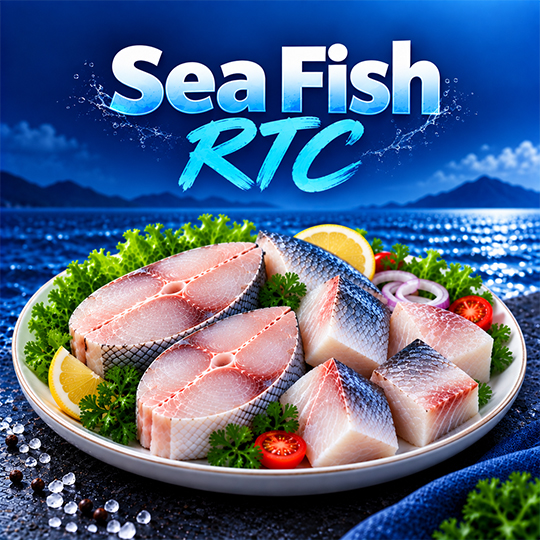 Sea Fish RTC
 Chingri
 Deshi Fish
 Friday Offer
 Pond Fish
 Ready to Cook
 Cut & Clean
 Bar-B-Q Fish
 Bar-B-Q Fish RTC
 Ready to Fry
 Big Fish

Crab is often considered a luxury seafood, loved for its delicate flavor, tender meat, and rich taste. But beyond its delicious appeal, crab offers a range of nutrients that can support overall health.
Whether you enjoy crab curry, steamed crab, grilled crab, or fresh crab meat in salads, it can be a nutritious addition to a balanced diet. Crab is naturally rich in protein and contains important vitamins and minerals that play a role in muscle health, brain function, immunity, and more.
So, is crab healthy? Yes, when enjoyed in moderation and prepared in a healthy way, crab can offer several impressive nutritional benefits.
Let's explore seven surprising benefits of eating crab.
1. A High-Quality Source of Protein
One of the biggest nutritional advantages of crab is its protein content. Protein is essential for building and repairing body tissues, maintaining muscle mass, and supporting many everyday functions.
Cooked crab can provide around 16–20 grams of protein per 85-gram serving, depending on the species. That makes crab an excellent option for people who want to include more seafood-based protein in their meals.
Protein also helps you feel satisfied after eating, which may make it easier to manage hunger throughout the day.
If you're looking for a delicious alternative to chicken, beef, or other protein sources, crab can be a great choice.
2. Supports Brain and Nervous System Health
Crab contains vitamin B12, an essential nutrient that helps maintain healthy nerve cells and supports the formation of red blood cells.
Vitamin B12 also plays an important role in normal brain function. Getting enough B12 through your diet is important for maintaining healthy neurological function and preventing deficiency.
Crab is particularly notable for its vitamin B12 content, making it a valuable addition to a varied diet that includes other nutrient-rich foods.
3. May Help Support Heart Health
Crab contains omega-3 fatty acids, including EPA and DHA, which are associated with cardiovascular health.
Omega-3 fats are known for their role in supporting normal heart function and helping regulate certain inflammatory processes in the body. While crab generally contains less omega-3 than fatty fish such as salmon, it still contributes some of these beneficial fats.
Choosing steamed or boiled crab instead of deep-fried preparations can help you enjoy its nutritional benefits without adding unnecessary fats.
4. Helps Support a Healthy Immune System
Your immune system needs a variety of nutrients to function properly, and crab provides several of them.
Crab is a source of zinc, selenium, and copper—minerals that contribute to different processes involved in immune function, cellular protection, and normal body maintenance.
-
Zinc: Supports immune function and wound healing.
-
Selenium: Helps protect cells from oxidative stress and supports normal thyroid function.
-
Copper: Contributes to normal immune function and helps the body use iron.
Including nutrient-rich foods like crab in a balanced diet can help you obtain these essential minerals.
5. Supports Healthy Thyroid Function
The thyroid gland plays an important role in regulating metabolism, energy use, and many other bodily functions.
Crab contains selenium, an essential mineral involved in the production and metabolism of thyroid hormones. Selenium also contributes to protecting thyroid tissue from oxidative stress.
Although crab can contribute to your selenium intake, maintaining healthy thyroid function requires an overall balanced diet—not just one particular food.
6. A Naturally Low-Carbohydrate Seafood Choice
If you're trying to reduce your carbohydrate intake, crab can be a useful food to include in your meals.
Plain cooked crab meat is naturally very low in carbohydrates and contains virtually no carbohydrate in many varieties. It provides protein without relying on carbohydrate-rich ingredients.
You can enjoy crab with:
-
Fresh vegetables and salads
-
Steamed vegetables
-
Lemon and herbs
-
Light seafood soups
-
Small portions of rice
-
Homemade seafood dishes
The nutritional profile changes when crab is prepared with heavy sauces, butter, creamy dressings, or deep-frying. So, the preparation method matters just as much as the ingredient itself.
7. Provides Important Minerals for Everyday Body Functions
Crab is more than just a protein-rich seafood. It also contains minerals that help your body perform essential functions every day.
Some of the minerals found in crab include:
-
Phosphorus: Helps maintain bones and teeth and supports energy-related processes.
-
Magnesium: Involved in muscle function, nerve signaling, and many metabolic reactions.
-
Copper: Helps with iron metabolism and the formation of connective tissues.
-
Zinc: Supports normal growth, immune function, and tissue repair.
-
Selenium: Plays a role in antioxidant protection and thyroid function.
This combination of nutrients makes crab a valuable addition to a varied and balanced diet.
Crab Nutrition: What Does It Contain?
The nutritional value of crab varies depending on its species and preparation. However, cooked crab meat is generally a lean source of protein with several essential vitamins and minerals.
Here's an approximate nutritional overview for an 85-gram serving of cooked crab meat:
Nutrition values are approximate and vary by crab species, serving size, and preparation method.
What Is the Healthiest Way to Eat Crab?
The way crab is prepared can make a significant difference to the overall nutritional quality of your meal.
If you want to enjoy crab while keeping your meal balanced, consider these preparation methods:
Healthier preparation ideas
-
Steamed crab: Preserves its natural flavor without requiring much added fat.
-
Boiled crab: A simple preparation method with minimal added ingredients.
-
Grilled crab: Adds a delicious smoky flavor without deep-frying.
-
Crab with fresh vegetables: Combines protein with fiber-rich vegetables.
-
Light crab curry: Use moderate amounts of oil and salt while adding natural spices.
Try to limit deep-fried crab, excessive butter, creamy sauces, and heavily salted seasoning if you're aiming for a healthier meal.
Are There Any Risks of Eating Crab?
Although crab can be nutritious, it isn't suitable for everyone.
-
Shellfish allergies: Crab can cause serious allergic reactions in people with shellfish allergies.
-
Sodium: Some crab varieties and commercially prepared crab products can contain considerable sodium. People monitoring blood pressure or sodium intake should pay attention to portion sizes and preparation.
-
Food safety: Crab should be handled properly, stored safely, and thoroughly cooked to reduce the risk of foodborne illness.
-
Preparation matters: Deep-frying and adding excessive butter, salt, or heavy sauces can make a crab meal less healthy.
If you have a shellfish allergy, avoid crab. If you have specific dietary restrictions or health concerns, consult a qualified healthcare professional about including it in your diet.
Frequently Asked Questions (FAQs)
Is crab healthy to eat regularly?
Crab can be part of a healthy, balanced diet. It provides lean protein, vitamin B12, selenium, zinc, and other nutrients. The ideal frequency depends on your overall diet, health needs, and how the crab is prepared.
Is crab good for weight management?
Crab is relatively low in calories and fat while providing protein. This makes it a useful option for balanced meals when prepared without excessive oil, butter, or heavy sauces.
Is crab healthier than chicken?
Both crab and chicken can be excellent protein sources. Crab offers seafood-specific nutrients such as omega-3 fatty acids and is particularly rich in vitamin B12 and certain minerals. The healthier choice depends on your dietary needs and preparation method.
Does crab contain omega-3?
Yes. Crab contains omega-3 fatty acids, including EPA and DHA, although the amounts vary by species. Fatty fish generally provide higher amounts.
Can children eat crab?
Properly cooked crab can be included in a child's diet if there is no shellfish allergy. Introduce shellfish carefully, particularly when it's being introduced for the first time, and ensure the meat is free from shells.
Final Thoughts
Crab is more than an indulgent seafood treat. It is a nutritious food that offers protein, vitamin B12, selenium, zinc, copper, and omega-3 fatty acids.
From supporting muscle maintenance and normal nervous system function to providing essential minerals, crab can contribute to a healthy and varied diet.
The key is simple: choose fresh, properly cooked crab and enjoy it in balanced meals.
Sometimes, one of the best ways to nourish your body is by enjoying delicious food that also provides valuable nutrients—and crab is a wonderful example.

Opinions & Discussions (0)
The comments section is locked.
To reply to comments or questions, first log in to your account.
Login